

Hiring the wrong deck builders can cost you thousands in repairs, structural failures, and legal headaches that were completely avoidable. Deck contractors are not interchangeable, and the quality gap between a skilled, accountable crew and a low-bid operation often doesn’t show up until boards start warping, ledgers pull away from the house, or an unpermitted structure fails a home inspection during resale. Your deck is one of the most used outdoor spaces on your property, and the people who build it deserve the same scrutiny you’d give any major home improvement professional.
This guide walks you through a six-step framework for vetting deck construction contractors before you sign anything. That means evaluating portfolios, confirming credentials, asking the right questions, spotting red flags, comparing bids, and locking in a contract that actually protects you.
1. What a strong portfolio reveals about a deck contractor
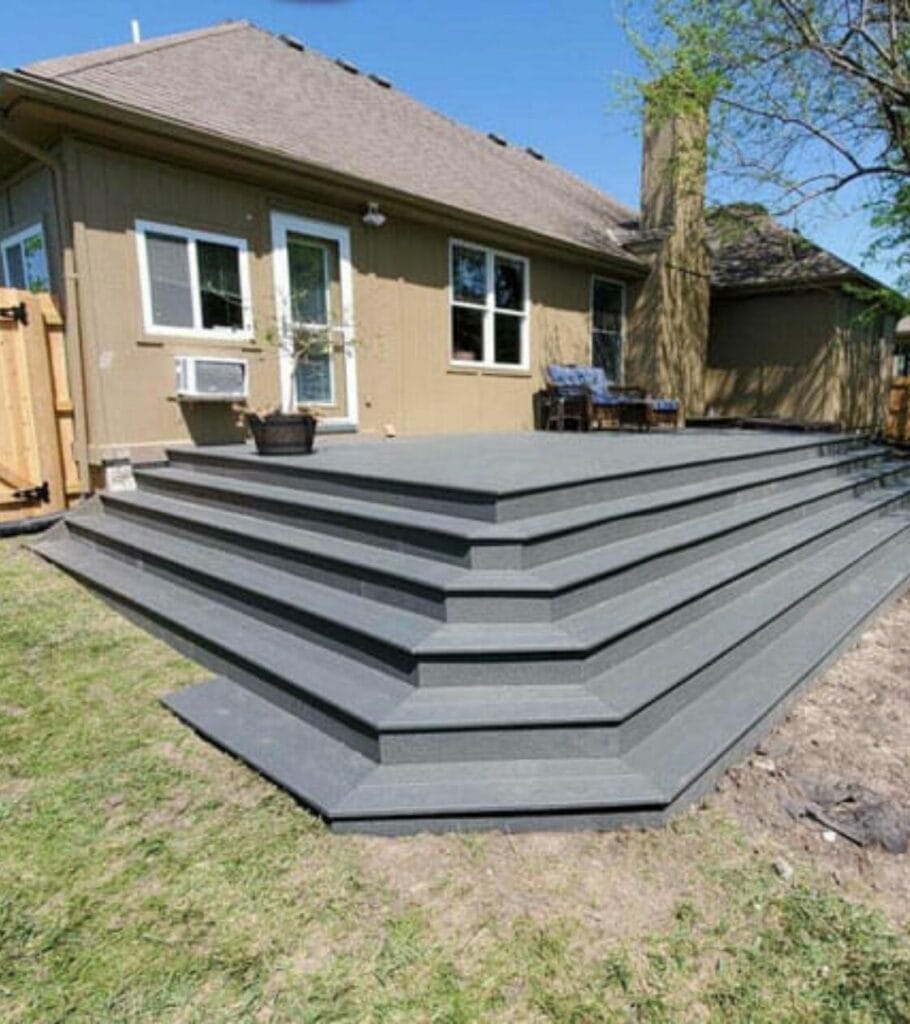
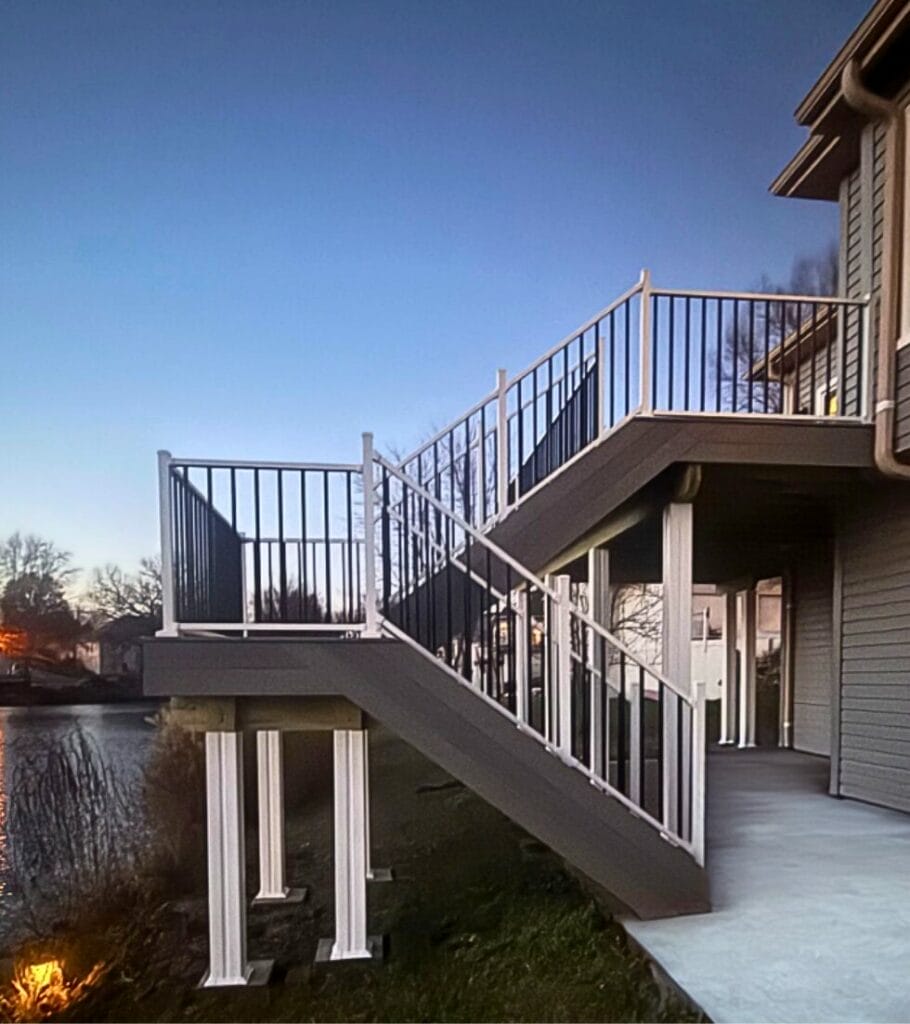
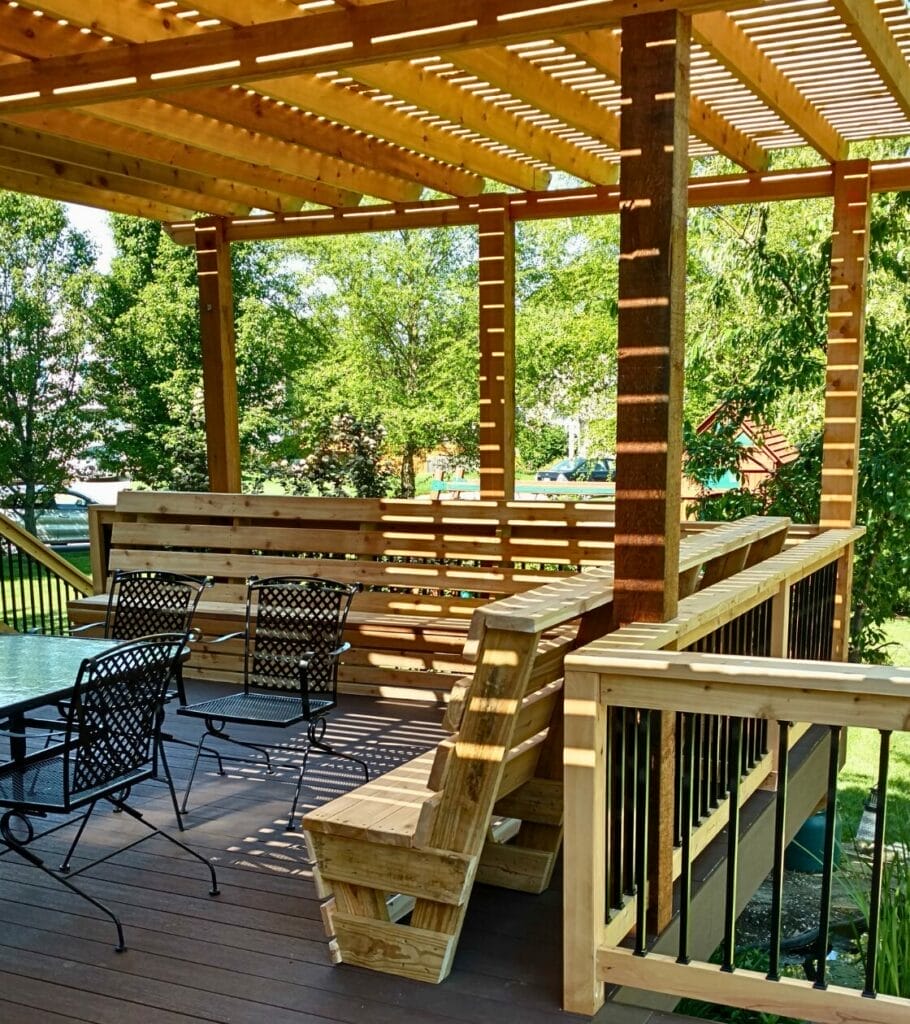
A contractor’s portfolio is the fastest and most honest filter you have. It shows not just what a finished deck looks like, but whether that contractor has experience with different materials, deck sizes, and design challenges relevant to your project. If you want a multi-level composite deck with pergola integration, you need to see that a contractor has actually done that work before, not just a handful of basic ground-level platforms.
What to look for in project photos
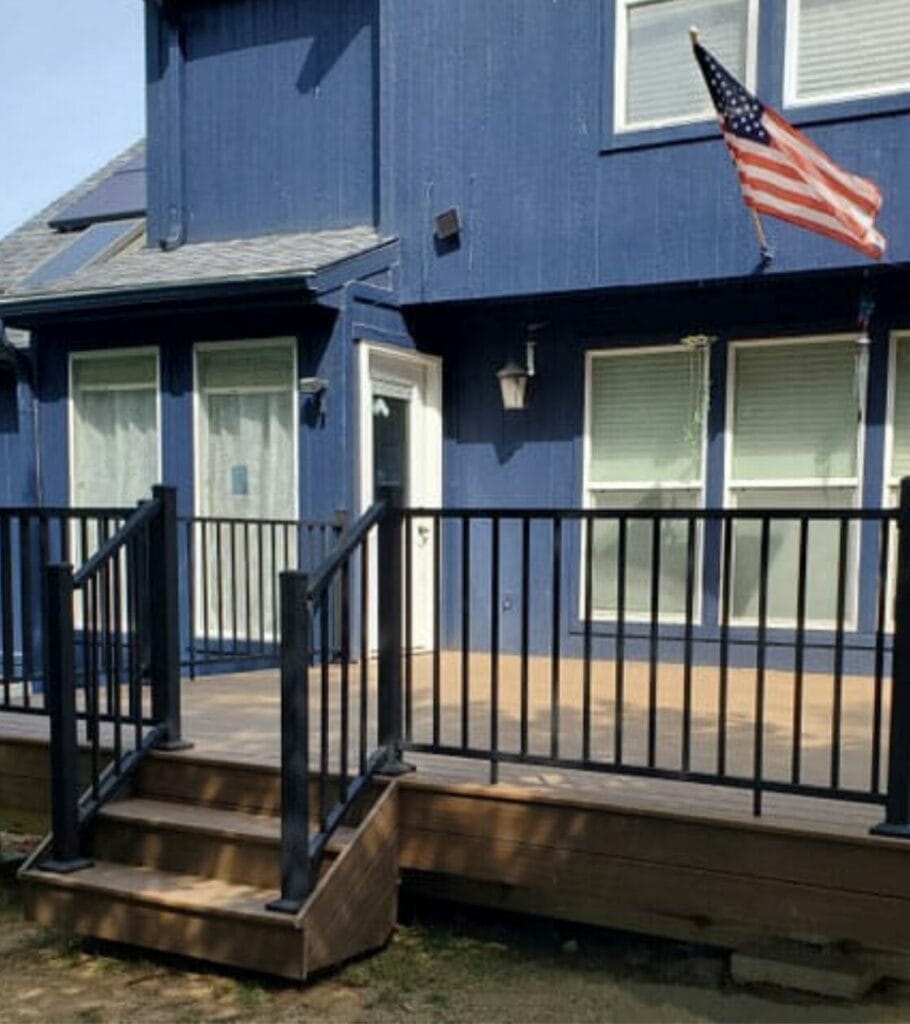
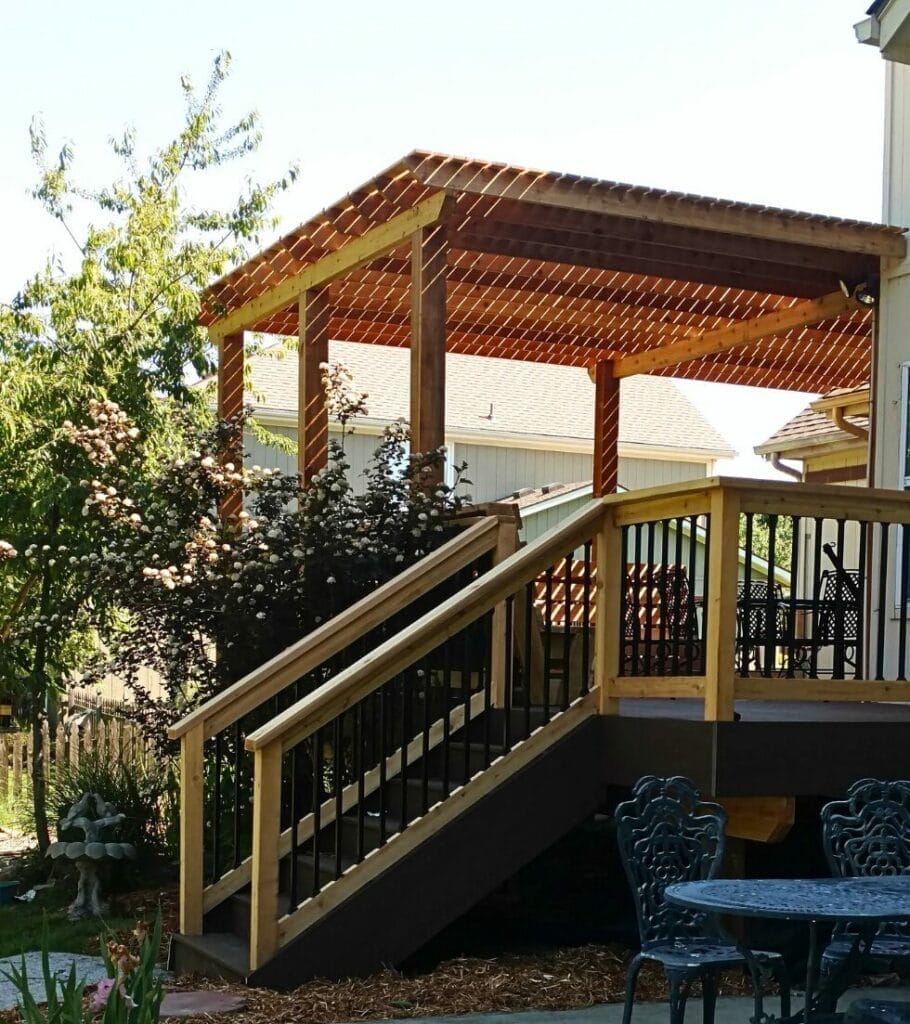
When you review project photos, look for the details that separate real craftsmanship from passable work. Straight lines, consistent board spacing, clean post bases, and properly integrated railing systems are all visual signals of quality. One or two impressive photos don’t tell you much. What matters is consistent workmanship across many different projects over many years, because that pattern reflects reliability, not luck on a single job
How client references actually work
A reference list is not the same as a genuine reference check. Any contractor can hand you a list of names. The homeowners who actually call those references and ask specific questions are the ones who get real answers. Ask: Was the crew on time? Was the site cleaned up at the end of each day? Did the final result match what was in the proposal? Those three questions alone reveal more about a contractor’s consistency than any sales pitch.
The Kansas City Top Tier Exteriors benchmark
Kansas City Top Tier Exteriors is a locally owned exterior contractor with 25+ years of experience serving Kansas City homeowners, and its project portfolio reflects the depth of experience you should expect from any local deck builder worth hiring. Their documented work spans attached decks, multi-level builds, composite installations, and pergola integrations across the KC metro. If you’re unsure what genuinely high professional standards look like in practice, its customer testimonials and completed project history give you a clear measuring stick.
2. Licensing, insurance, and permits: verify before you commit
Skipping the credential verification step feels like it saves time. It doesn’t. A deck installer without proper licensing and insurance shifts all the financial risk back to you the moment something goes wrong on site. One injury, one structural failure, one unpermitted build discovered during resale, the consequences land squarely on the homeowner who didn’t ask for paperwork upfront.
How to confirm a contractor’s license status
Licensing requirements for deck construction contractors vary significantly by state. Some states require statewide licensure; others delegate entirely to county or municipal level. Missouri, for example, has no statewide general contractor license, but Kansas City requires a local contractor license through the City’s Planning and Development department, proof of business registration, and a supervisor exam. If your project sits on the Kansas side of the metro, you’ll need to verify local requirements there separately. Use your city or county building department as your starting point, and ask the contractor directly for their license number so you can confirm it’s active.
What insurance documents to request
Ask every deck contractor on your list for a certificate of insurance before the first estimate. The two types that matter are general liability, which protects against damage to your property, and workers’ compensation, which covers on-site injuries to crew members.
Who handles the permit, and why it matters
The contractor pulls the permit. If a deck builder asks you to pull your own permit, that is one of the clearest red flags in the industry, and it usually means they don’t have the credentials to pull it themselves. Permits exist to ensure the build meets local code and passes inspection. A deck built without one can trigger fines, require demolition or costly retrofits, and create serious complications when you go to sell the home.
3. Questions to ask deck builders before you hire
Most homeowners walk into a contractor estimate without a structured set of questions and end up comparing gut feelings instead of facts. The questions below will help you get the information you need to make a confident decision, and any reputable deck construction contractor will answer them without hesitation.
Questions about crew and daily oversight
Ask whether the work is performed by full-time employees or subcontractors. This distinction matters because contractors who use their own trained crews offer more accountability and clearer responsibility when something needs to be corrected. Ask whether a supervisor will be on site daily and how decisions get handled when you’re not home. These questions reveal how much control the contractor actually has over quality while your deck is being built.
Questions about scope, materials, and cost breakdowns
Ask which decking material the contractor recommends for your specific situation and why. In Kansas City, where summers are hot and humid and winters bring real freeze-thaw cycles, material selection has a direct impact on how long a deck lasts and how much maintenance it requires. Also, ask how the contractor handles unexpected issues mid-project, such as a rotted ledger board or a permit delay. Their answer tells you a lot about how organized and experienced they actually are.
4. Red flags that should make you walk away
Not every deck-building service is worth a second conversation. Homeowners who recognize warning signs early save themselves time, money, and serious frustration.
Pressure tactics and vague proposals
A contractor who pushes for a same-day signature, offers a deal that expires tonight, or refuses to provide a written itemized proposal is not operating in good faith. Reputable deck builders give you time to review the proposal and compare it against other bids without any pressure. A contractor who tells you the price is only good until midnight has already told you what you need to know about how they’ll behave once work starts.
No warranty, no permit, no dedicated crew
A contractor who offers no workmanship warranty has no intention of standing behind their work once the final payment clears. That alone should end the conversation. Skipping the permit saves the contractor time but exposes you to fines, failed inspections, and complications at resale.
Heavy reliance on subcontractors creates a different kind of problem. When something goes wrong on a subcontracted job, every party points to someone else, and you’re left in the middle with a defective deck and no clear path to a fix. Ask directly whether the crew showing up to your property is employed by the company you hired.
5. How to compare deck builders on bids and materials
Once you have a short list of vetted deck contractors, the goal is to evaluate their proposals side by side without defaulting to the lowest number. The cheapest bid is rarely the best value, and understanding why requires a basic grasp of what materials and labor actually cost.
Why the cheapest quote usually costs more in the long run
A bid that falls well below your quoted averages almost always signals substituted materials, unlicensed labor, or corners cut on structural framing that won’t be visible once the decking goes down. When you see a quote that looks too good, ask for a detailed material specification sheet. What gets listed there will tell you everything.
Wood vs. composite vs. PVC: matching material to budget and lifestyle
Pressure-treated wood is the most affordable upfront but requires regular staining, sealing, and maintenance to hold up over time. Composite decking carries a higher initial cost but offers a 25 to 50 year lifespan with minimal upkeep, making it a strong choice for homeowners who want durability without annual maintenance. PVC is the most moisture-resistant option and handles Kansas City’s climate swings exceptionally well. For current estimates and a deeper context on the cost of composite decking, consult specialty decking resources before you pick a material. The right material depends on your budget, how long you plan to stay in the home, and how much time you’re willing to invest in maintenance each year.
6. What your contract must cover before any work starts
A handshake agreement is not a contract. Before any work begins on your property, you need a written contract that covers the details of the project and protects you financially if something goes sideways.
The clauses every deck contract should include
A solid deck construction contract should include a detailed scope of work, itemized material specifications, a payment schedule tied to project milestones, a change order process, a cleanup responsibility clause, and a clear dispute resolution process. The payment schedule deserves special attention. Milestone-based payments, typically a deposit and a final balance at walkthrough, protect you from a contractor who takes a large upfront sum and disappears.
Workmanship warranties vs. manufacturer material guarantees
There are two distinct warranties involved in every deck project, and homeowners who confuse them end up unprotected on the thing that matters most. The manufacturer’s warranty covers material defects in the decking product itself. The contractor’s workmanship warranty covers how that material was installed. A one-year workmanship warranty is the industry baseline, and it’s the one you should insist on from every deck builder you consider. Kansas City Top Tier Exteriors backs every completed project with a one-year workmanship warranty as standard, not as an add-on or an upsell. A contractor who stands behind their own work is confident in the quality of that work from the start.
Start your search the right way
Vetting deck contractors is not complicated, but it does require discipline. Homeowners who check portfolios, verify credentials, ask the right questions, read the contract carefully, and insist on a workmanship warranty end up with decks built to last and contractors they’d actually recommend to a neighbor. The framework in this article covers every step, and none of it requires specialized knowledge. It requires the willingness to ask direct questions and wait for clear answers.
Experienced, warranty-backed deck building services are not hard to find if you know what to look for. Contractors who use their own trained crews, communicate clearly throughout the project, and treat the timeline as a commitment rather than a suggestion exist in every market. In Kansas City, that standard is what Kansas City Top Tier Exteriors has built its reputation on over more than two decades of exterior work in the KC metro. They offer free on-site estimates with clear, itemized proposals and no pressure tactics.
Start your search for reliable deck builders by asking every contractor on your list for three things: an itemized proposal, proof of insurance, and references from projects completed in the last 12 months. That single request alone will cut your list in half. The deck companies near me worth hiring, and the deck builders worth hiring anywhere, are the ones who respond to it promptly and completely.
How to Vet Deck Builders for Quality Workmanship was last modified: July 8th, 2026 by