
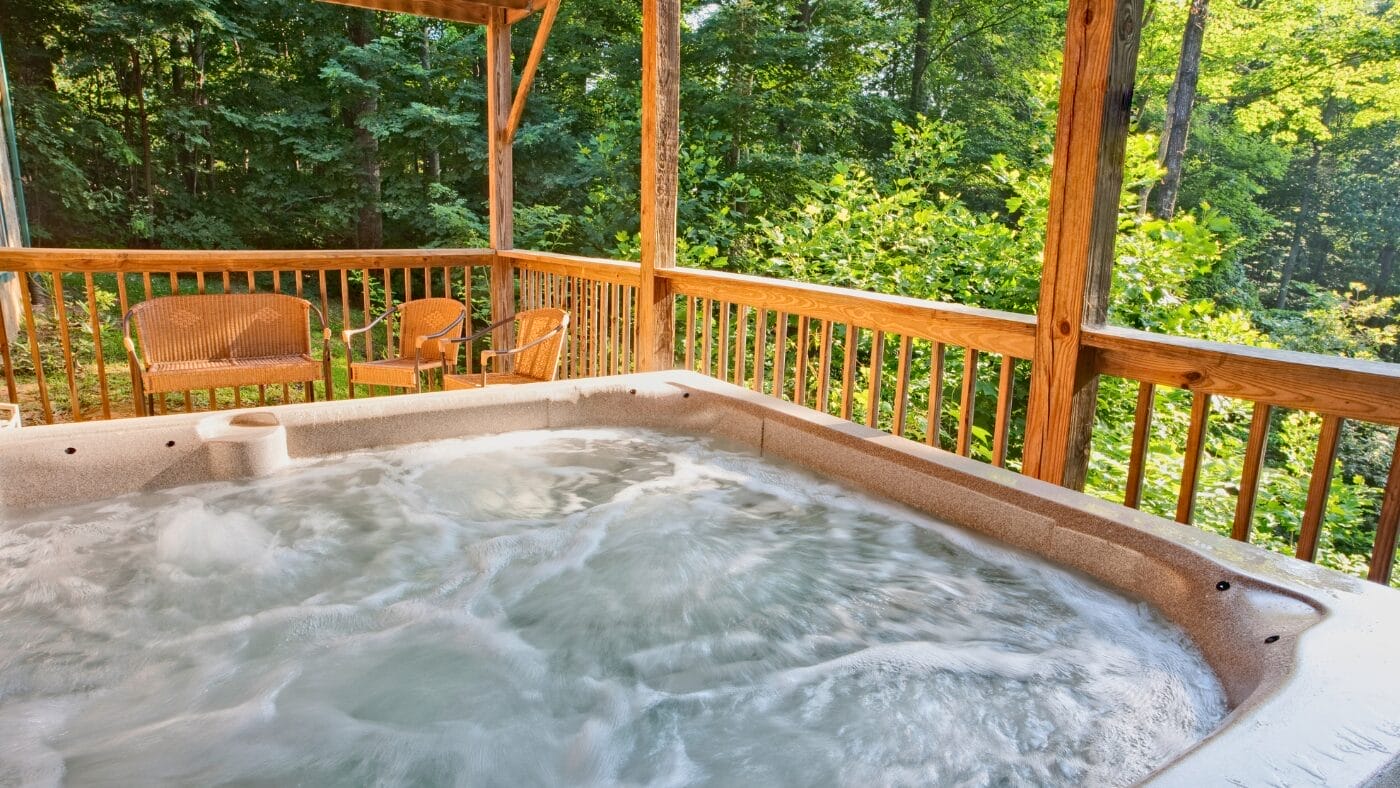
Hot tub decks concentrate a lot of weight, commonly 80 to 150+ pounds per square foot, while many residential decks were built for about 40 psf. That difference means homeowners, investors, agents, builders, and property managers need to resolve structural and site questions before ordering a spa or starting demolition. You’ll find load basics here, how ground-level, elevated, and recessed installations differ, and the situations when you should call an engineer or pull a permit, so choices from decking and tile to a hot tub deck surround stay safe and buildable.
Key Takeaways
- Plan for Loads: Hot tubs commonly add 80 to 150+ psf, so design calculations should use a 100 to 150 psf buffer. Verify joist spacing, beam size and footing capacity before you buy or install a spa.
- Elevated vs Ground: A ground slab or pad usually simplifies support and may avoid extra permitting. Elevated or recessed installs typically require doubled beams, larger posts and deeper footings, and often an engineered plan.
- Choose Durable Materials: Use decking, tiles and sealants rated for constant moisture and chemical exposure to reduce maintenance. Select non-slip textures and lighter colors where heat and splash are concerns.
- Manage Drainage and Service: Slope decking away from the house and plan a dedicated drainage channel or concrete pad under equipment to capture splashes and leaks. Place electrical equipment with required clearances and easy technician access.
- When to Call Pros: If a deck wasn’t built for heavy loads, for recessed builds, or when permits are required, consult a licensed engineer. A qualified contractor like Kansas City Top Tier Exterior can provide an on-site, itemized estimate and handle permits and inspections.
Why hot tub decks need special structure
Hot tub decks carry concentrated, long-term loads that ordinary deck framing does not handle well. The total load combines the dry tub, the water (gallons × 8.34 lb) and occupants at roughly 185 lb each, so calculating pounds per square foot over the tub footprint shows whether a slab, raised deck or recessed installation needs reinforcement.
For a practical example, a mid-size tub with an 800 lb shell, 486 gallons of water and six occupants totals about 5,560 lb. Spread over a 100 sq ft footprint that equals about 55.6 psf, but good practice is to design with a 100 to 150 psf buffer depending on tub size and how high the spa sits above grade.
Site type drives the reinforcement required. A ground-level pad or slab can simplify support and sometimes reduce permit complexity, while elevated decks generally need doubled beams, shorter joist spans, tighter joist spacing and larger posts, often 6×6 set in concrete footings. Recessed or built-in installations look clean but typically require stamped plans, inspections and careful drainage detailing. For framing specifics and common construction approaches, see a hot-tub deck framing guide that walks through joists, beam sizing and footing considerations.
Call Kansas City Top Tier Exterior if the existing deck wasn’t built for heavy loads, if the spa will be elevated, or if you plan a flush or recessed installation. Permits and stamped plans protect insurance coverage and resale value, so schedule a structural review before a purchase or demolition begins. If you want a clear overview of what to expect during the installation process, read up on what to expect during deck installation to understand timelines, inspections and contractor roles.
Choose decking materials that hold up to water and chemicals
When you plan hot tub decks, material choice matters as much as framing. Chlorine, bromine, salts and constant moisture accelerate deterioration on ordinary decking, so pick surfaces rated for continuous wet use, easy cleaning and good traction to reduce maintenance and slip risk.
Composite decking resists rot, mold and chemical damage, and many profiles offer slip-enhanced textures. Lighter colors and grooved or textured boards reduce surface heat and improve grip while darker boards absorb more solar heat. Installed costs typically range from $30 to $60 per square foot depending on brand and profile, and premium products frequently include 20 to 30 year warranties that matter for spa installations.
Cedar and pressure-treated wood trade upfront cost and appearance for higher maintenance. Cedar offers a natural look and some decay resistance but needs sealing or staining every one to two years near a spa. Pressure-treated wood is strong and affordable for framing, but it will need regular sealing, can splinter and generally requires more frequent maintenance in wet, chemical-prone environments. For guidance on selecting appropriate lumber for hot tub areas, see recommendations on the best deck lumber for hot tubs.
Tile, stone and modular non-slip tiles provide low absorption and excellent traction when textured, and they drain well when installed over a proper substrate. These finishes require a solid substructure, correct slope and grout maintenance, so use them as surrounds, steps or integrated pads rather than spanning unsupported joists.
Design ideas to make your hot tub deck feel like an oasis
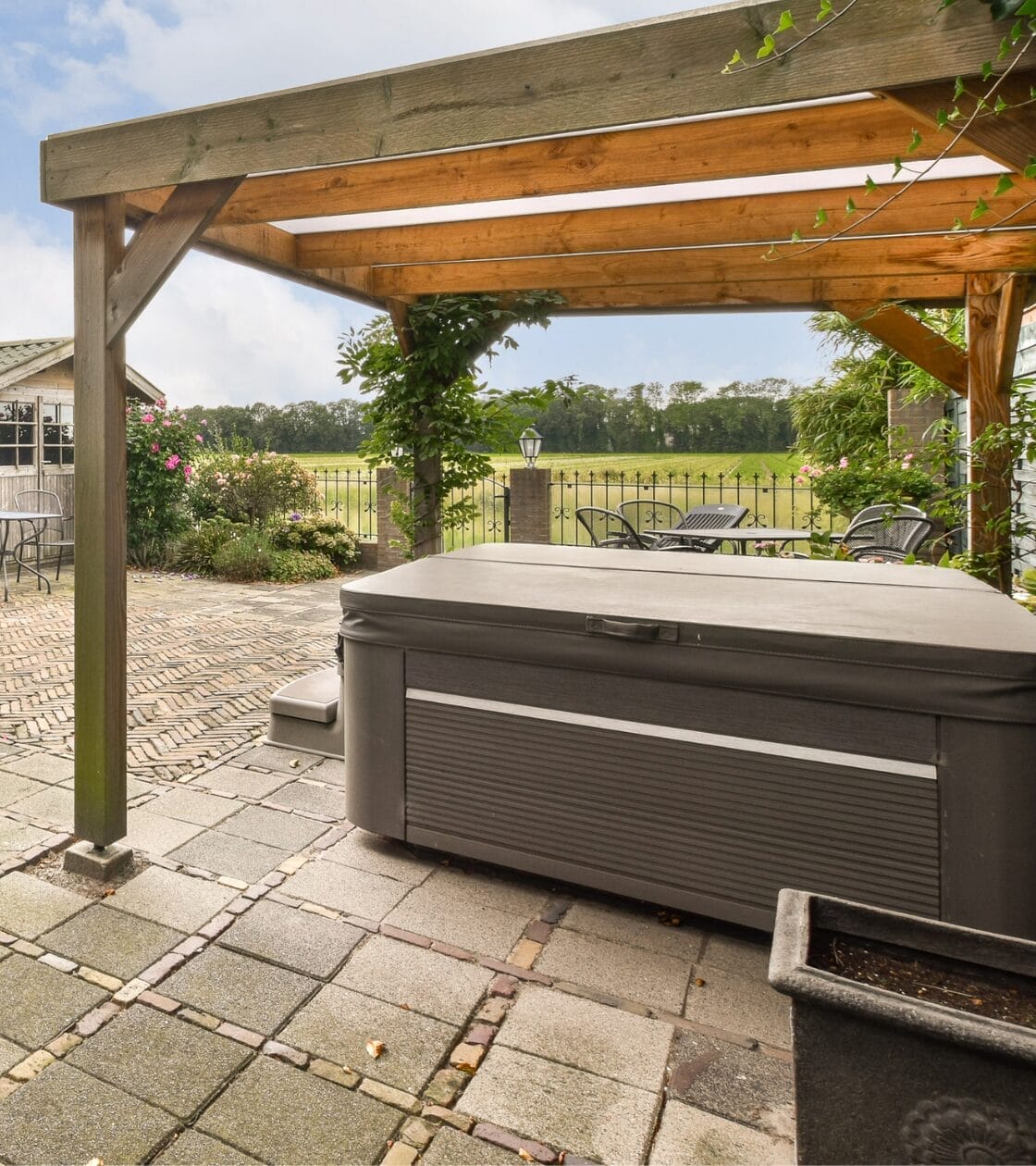
Start with layout and seating because those choices set both the mood and the framing needs. Choose a raised tub with welcoming steps for a more formal entry, or set the spa flush with the deck for a seamless, modern plane. Built-in benches that double as planters or locked storage keep the area tidy and provide continuous sightlines.
Aim for an edge height around 17 to 24 inches for comfortable stepping, and remember steps and seat rims concentrate loads at the rim and posts, so framing must reflect those points.
For a clean contemporary look, use continuous decking boards that flow up to the hot tub. For a classic appearance, frame a defined surround with contrasting trim and tile accents. See inspirational examples in our Hot Tub Enclosures gallery to visualize different layouts and materials.
Place textured tiles or composite accents where splash is highest to reduce wear and simplify cleaning. Use contrasting materials at high-traffic points to make paths and steps more visible and less slippery.
Plan access, storage and cover handling before you finish the surface. Install a cover lifter or a dedicated storage recess so lids do not sit on decking and trap moisture, and provide accessible panels for pumps and heaters so technicians can reach equipment without removing large deck sections.
Keep chemicals in a ventilated lockbox away from wood, and anchor steps, handrails and storage lids to load-bearing posts or separate foundations so they do not interrupt primary load paths. Add non-slip treads, recessed step lighting and privacy screens to increase safety and year-round usability.
Drainage, waterproofing and electrical safety
Address water and service access early in the design. Slope decking away from the house at a slight pitch so runoff does not drain toward the foundation, and plan a concrete pad or drainage channel under equipment to capture splashes and leaks. Leave about three feet of clearance where possible so technicians can service pumps and controls without removing decking, and call 811 to locate utilities before you dig.
Protect framing with the right layers beneath the surface, including a waterproof membrane and through-flashing at vertical connections. Use an elevated tub rim, high-quality sealants at penetrations, and blocking under the tub footprint so joists carry concentrated loads safely. Expect loads in the 80 to 150+ psf range and reduce joist spans, tighten spacing to 10 to 12 inches where needed.
Follow NEC Article 680 for spas: use listed equipment, provide GFCI protection and an accessible disconnect, and have a licensed electrician perform installations. Submit plans when conduit runs under slabs or through decking are involved. Budget for inspection fees and schedule regular checks for rot, loose fasteners and electrical access points to maintain safety. For a concise reference to the code requirements for pools and spas, consult NEC Article 680 guidance.

Permits, inspections and code essentials
Most jurisdictions, like Jackson County and Johnson County, require a building permit for hot tub decks because filled spas frequently exceed prescriptive deck live loads. Obtain a permit early to secure required inspections, protect insurance coverage and keep the installation resale-friendly. Starting the permit process before construction also helps avoid costly rework
Inspections typically follow this sequence: footing or pre-pour, framing or rough, electrical, then final. Inspectors verify footing depth and concrete size, post and beam connections, joist sizing and spans, and that electrical work is properly grounded and GFCI protected. To speed approval, pre-submit clear hot tub deck plans, confirm footing requirements with the local authority and schedule inspections as each stage is ready.
Codes also cover barriers and child safety on elevated decks and spas. Residential guard heights are commonly at least 36 inches, some jurisdictions require 42 inches on elevated platforms, and many require self-closing gate hardware for access control. Add a lockable spa cover, keyed gate or perimeter alarm to reduce the risk of unsupervised access, and get a structural review and permit plan from your local AHJ before you finalize the layout or order materials.
Final thoughts on safe, stylish hot tub decks
Start with a simple first-year routine: avoid dragging heavy furniture, hose off leaves and debris after storms, touch up exposed finishes, and recheck fasteners after the structure settles. Keep planters and rugs lifted so moisture can evaporate. Use a quarterly checklist: rinse and tighten screws in spring, spot-clean and seal minor stains in summer, clear gutters and check rail connections in fall, and remove heavy snow promptly in winter.
Small repairs are often straightforward: tighten loose screws, replace a single split board, or shim a wobbly rail post. Call a pro when you find rot at the ledger, shifting footings, or widespread joist damage because those problems affect the whole structure and can void warranties if left untreated. Keep invoices, permit paperwork, manufacturer warranties, and photos from before, during, and after the job to speed any claim and to add credibility at resale.
Final thoughts on safe, stylish hot tub decks
Your hot tub deck should do more than look good. Prioritize proper structural support to handle concentrated, long-term loads and choose decking rated for water and chemical exposure so finishes last under chlorine or bromine. When structure and materials work together you get a safe, comfortable outdoor living area that protects your investment and reduces long-term maintenance.
KC Top Tier Exteriors is a locally owned contractor serving the Kansas City metro area in Missouri and Kansas with over 25 years of exterior experience. We offer free on-site, itemized estimates, use full-time trained crews (no subs), and provide engineered reinforcement, permit coordination and electrician scheduling when a project requires it. Our work includes a one-year workmanship warranty and daily cleanup so clients know what to expect during the build. Learn more about our Outdoor Hot Tub Enclosure Installation Services in Kansas City.
External references used: best deck lumber for hot tubs, hot-tub deck framing guide, hot tub weight guides, NEC Article 680 guidance
Hot Tub Decks: Safe & Stylish Design Tips was last modified: June 10th, 2026 by