
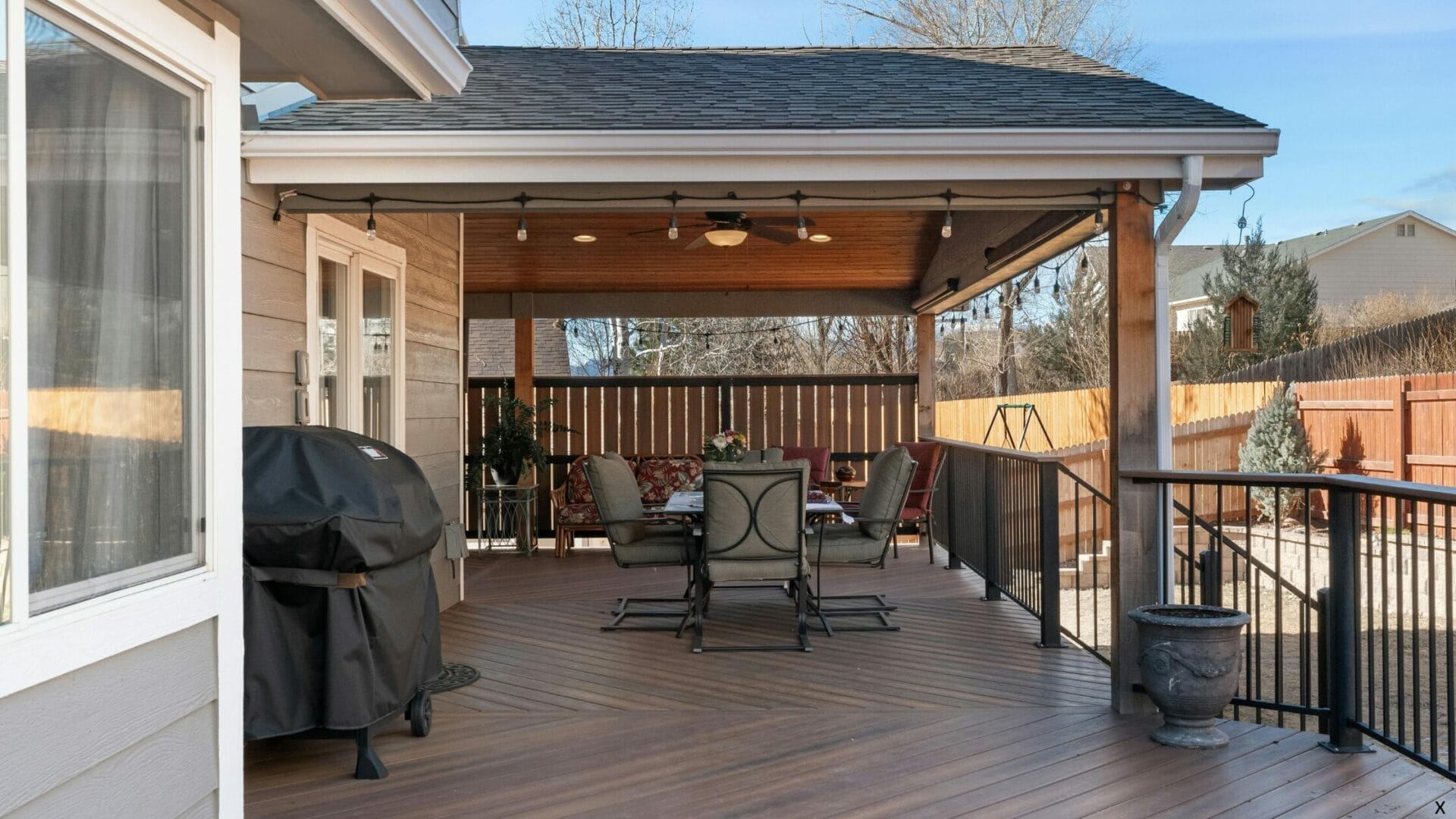
Deck installation expands outdoor living space and improves curb appeal. This guide helps homeowners, investors, real estate agents, builders, and property managers understand realistic timelines and costs to consider. You’ll learn which design choices affect quotes, how to sketch a clear scope for bids, what permit and budget steps to handle before work starts, and how to decide between hiring a deck installer or doing it yourself.
Design choices drive both cost and schedule. Size, single versus multi-level layouts, attached versus freestanding configurations, stairs and railings, and add-ons such as a hot tub change footing depth, framing complexity, and permit needs. Choosing pressure-treated, cedar, composite, or PVC affects material cost and long-term maintenance, so confirm lot-specific buildability early to get accurate quotes.
What you need to know
Before you get quotes, know which factors move the needle on cost and schedule. These points will help you compare bids and avoid common surprises.
- Confirm local permit triggers and submit a site plan before soliciting bids; permit review commonly takes 1 to 4 weeks and can prevent costly delays.
- Lock design choices like size, single versus multi-level, and attached versus freestanding early so contractors can provide accurate quotes.
- Consider material trade-offs: pressure-treated or cedar has lower upfront cost, while composite or PVC raises initial cost but lowers maintenance over time.
- Plan for construction to take about 2 to 7 days once crews start; attached decks and inspections or bad weather can extend schedules.
- Reserve DIY for small, freestanding decks under about 200 sq ft; hire trained crews for attached or complex builds to ensure consistent workmanship and warranty protection.
Before you build: plan, permits, and budget
Before requesting bids, sketch a basic scope so quotes match what you want and each contractor prices the same work. Identify the footprint, whether the deck will attach to the house, whether it will be single or multi-level, the number of stair runs, and any heavy loads such as hot tubs. Locking those decisions early reduces surprises in permitting and on-site changes.
Key trade-offs to call out when soliciting estimates: identify the factors below so bids are comparable and you can anticipate permit needs. These choices determine footing depth, framing time, and whether structural plans or a variance are required.
- Larger footprints increase total cost but can lower cost per square foot.
- Multi-level designs add framing, stairs, and inspections.
- Attached decks require a properly flashed ledger and additional inspection items.
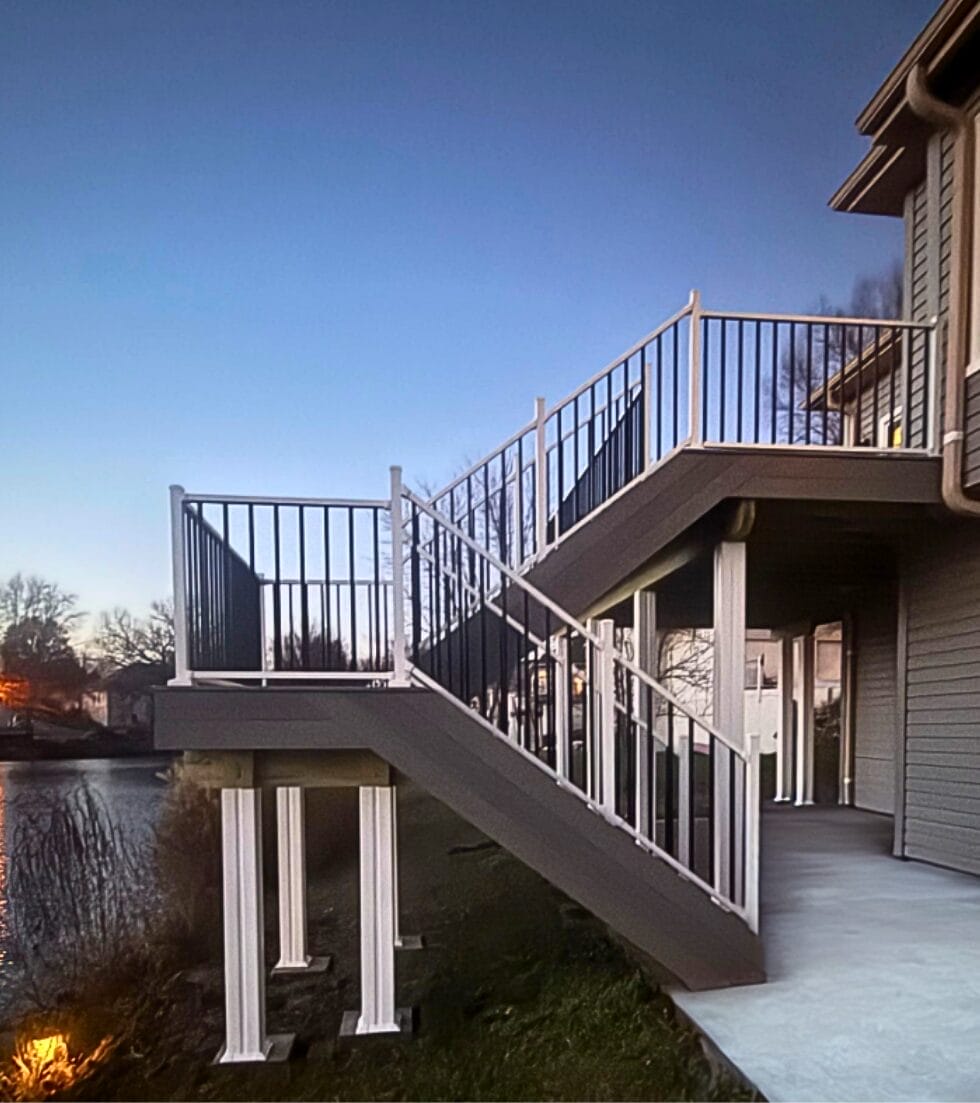
- Stairs and railings add framing, hardware, and inspection points; code typically dictates height and baluster spacing.
- Premium decking boards use specific fasteners and may install more slowly, which affects labor cost.
- Hot tubs or heavy equipment require larger footings and often engineered plans.
Step-by-step deck installation walkthrough
Follow these sequential steps to move from permit to completion. Each step highlights inspection points and common contractor practices.
- Permits and site preparation. Start with permits and site preparation because many jurisdictions require a permit when a deck exceeds a certain height, ties to the house, or includes stairs and guards. Include a site plan, footing depths, ledger details, and guardrail dimensions in your permit packet so reviewers can match plans to inspection points. Mark the outline on the ground, call utility locates (811) before digging, and confirm final grading so water drains away from foundations.
- Footings and posts. Next, install footings and posts. Crews dig to local frost depth, set sonotubes or concrete pads, and install code-approved post anchors and reinforcing where required to prevent frost heave and settling. Posts are temporarily braced while concrete cures, then crews attach post bases and anchor bolts to manufacturer specifications; ask to see footing depths, tube diameters, and anchor hardware so you can verify the work before framing begins.
- Framing. Framing ties the structure together. For attached decks, use lag screws or through-bolts with continuous flashing, and freestanding decks need properly sized headers and beams. Joists are often installed at 16 inches on center unless span tables call for different spacing. Use joist hangers, hurricane ties, blocking, and proper fasteners to keep the frame square and stiff.
Inspectors commonly check these items to approve the framing stage. Ask your contractor to point out the hardware and flashing during the framing inspection so you can document compliance.- Ledger is properly bolted and flashed, or the header and beam are sized for a freestanding build.
- Joists use approved hangers and correct spacing for the chosen decking material.
- Beams bear on inspected footings and posts are plumb and braced.
- Blocking and hurricane ties are in place where required by code.
- Decking, railings, stairs, and finish. Finish with decking, railings, and stairs. Choose between visible face-screws or hidden fasteners and follow spacing rules for wood versus composite. Set stair stringers and rail posts after the decking layout is confirmed. Final steps include flashing where decking meets the house, installing post caps and skirting, a thorough site cleanup, a homeowner walk-through, and the final inspection before the job is closed out.
Choosing materials and tools for the job
For consolidated national estimates, you can compare with your local quotes and see a summary of the cost to build a deck.
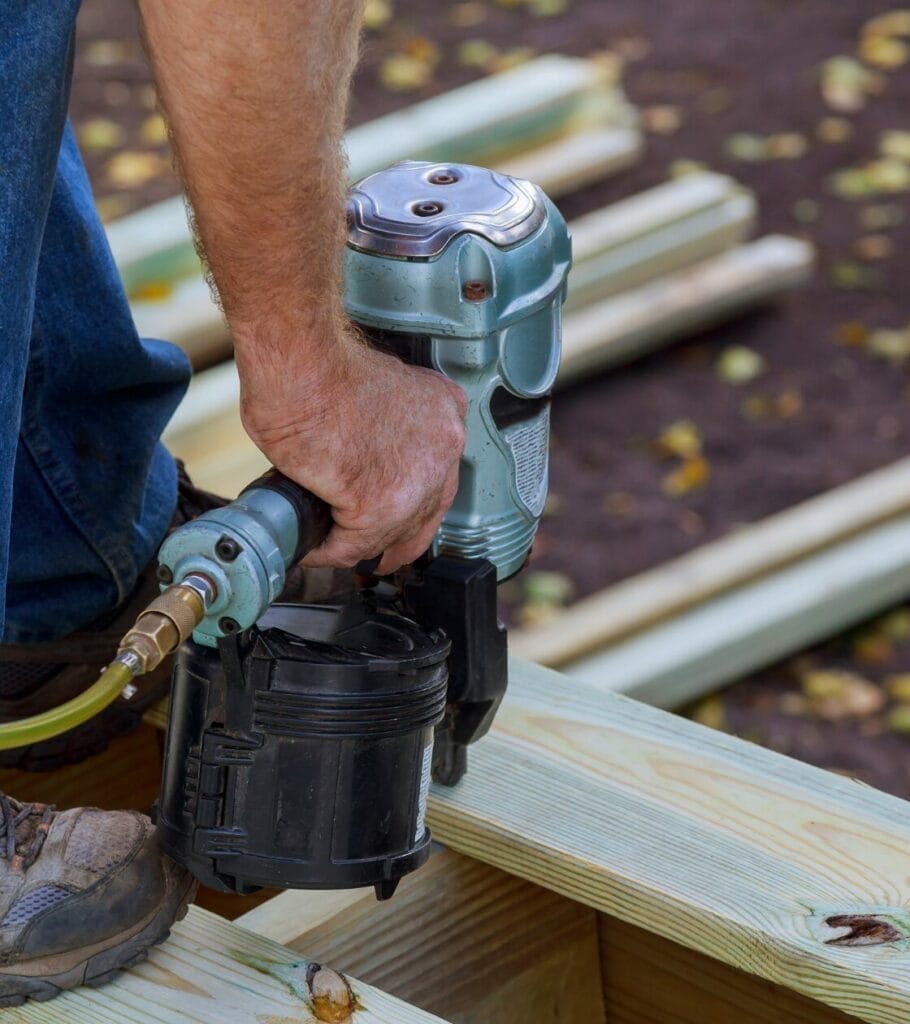
Hidden fastener systems such as Trex Hideaway, Concealoc, Camo, and HidFast keep screws out of sight and create a cleaner finish. Choose stainless or coated fasteners to avoid corrosion and staining, and note that better tools speed the job and reduce callbacks. For an overview of hidden options check out hidden deck fasteners at Lowes.com.
Factor maintenance and warranties into the decision. Wash composite decks annually and spot-clean stains; many manufacturers offer 20 to 50 year limited warranties. Wood requires re-staining every 2 to 4 years and has a shorter service life without regular care. Also, confirm the contractor’s workmanship warranty, which covers installation issues separate from product failure.
Permits, code and inspections: what officials will check
Confirm permit triggers with your local building department early. Common triggers include decks more than 30 inches above grade, any deck attached to a house, decks above a defined square footage, or decks with roofs and hot tubs. Typical permit submissions include a site plan showing property lines and setbacks, a scaled framing plan with joist spans and beam sizes, material callouts, and proof of insurance or contractor license when required.
Inspectors follow IRC-based checkpoints and will look for a properly bolted and flashed ledger, corrosion-resistant flashing at the house connection, correctly spaced joists with approved hangers, footings at required frost depths, and guardrails that meet height and opening rules. Many areas require guardrails at 36 inches, while stairs or higher occupancies may require 42 inches. Common failures include missing ledger flashing, undersized footings, improper fasteners, and weak railing connections. Most failures are corrected by swapping hardware, adding blocking, or increasing footings to meet code.
Quick inspection checklist to carry on-site. Keep these items ready to speed inspections and reduce rework.
- Footing locations and depths are staked and poured to code.
- Ledger flashing is installed and ledger fasteners are visible and tight.
- Joist hangers, hurricane ties, and required fasteners are in place.
- Guardrails are anchored solidly and meet height and opening rules.
- Final clearances from grade and from doors meet local specifications.
DIY or hire a pro: choose the right path
Decide based on scope, skill, and risk. DIY makes sense for small, freestanding decks under about 200 sq ft when no ledger attachment is required and you are comfortable with framing, concrete footings, and local permit requirements. Required tools include a circular saw, an impact driver, a post-hole auger or auger rental, a level, and a safe way to lift and place posts and beams. Check out Lowes.com for DIY deck options.
Ask yourself whether you can read a simple plan, follow joist spacing, place footings to frost depth, and work safely on ladders while installing railings and stair stringers. If not, the job will slow down and cost more in time or rework. Hire a professional when the project involves ledger-to-house details, multi-level design, engineered beams or posts, a hot tub, or unusual site conditions that require plans and liability coverage.
Kansas City Top Tier Exteriors simplifies the process for clients who want a predictable, managed approach. See a recent Deck Review by Andrea K. describing a typical client experience.
- Free on-site, itemized estimate and permit handling by an in-house project manager.
- Full-time trained crews with no subcontractors, daily cleanup, and professional site conduct.
- Quality material sourcing and manufacturer’s warranty coordination.
- One-year workmanship warranty and a post-install walk-through.
This package shortens timelines, reduces surprises, and delivers consistent results when prompt work, code compliance, and resale value matter. Our crews show up on time and keep your yard clean daily. View our Portfolio, KC Top Tier Exteriors | Deck Installation to see recent projects and finishes.
Aftercare, maintenance, and protecting your investment
Start with a simple first-year routine: avoid dragging heavy furniture, hose off leaves and debris after storms, touch up exposed finishes, and recheck fasteners after the structure settles. Keep planters and rugs lifted so moisture can evaporate. Use a quarterly checklist: rinse and tighten screws in spring, spot-clean and seal minor stains in summer, clear gutters and check rail connections in fall, and remove heavy snow promptly in winter.
Small repairs are often straightforward: tighten loose screws, replace a single split board, or shim a wobbly rail post. Call a pro when you find rot at the ledger, shifting footings, or widespread joist damage because those problems affect the whole structure and can void warranties if left untreated. Keep invoices, permit paperwork, manufacturer warranties, and photos from before, during, and after the job to speed any claim and to add credibility at resale.
Finish strong: what to expect from your deck installation
Clear planning and realistic expectations make projects run smoother. Start with a scoped design, confirm permits and site prep, choose materials that match your budget and maintenance tolerance, and allow time for inspections and weather. Prioritize permits and prep, material and timeline decisions, and an approved budget.
Kansas City Top Tier Exteriors has 25+ years of serving the greater Kansas City metro with full-time trained crews who keep projects on schedule, maintain daily cleanup, and provide consistent workmanship. Schedule a free on-site estimate so permit requirements can be confirmed, the layout sketched, and an itemized proposal with a projected timeline provided. Bring a rough budget, property boundaries, and any material preferences so you leave the visit with actionable next steps. That will give you the information needed to move forward with confidence in your deck installation. Read client feedback like the Deck and Window Review by KSME Knows to learn how we handle permits, timelines, and communication.
What to Expect During Deck Installation Process was last modified: June 10th, 2026 by